 Skip to content
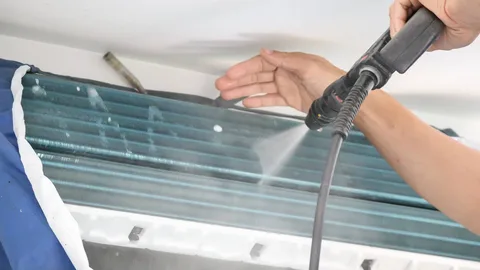
AC evaporator and condenser coil cleaning is the professional removal of dust, pollen, cottonwood debris, and grime from the two heat-exchange surfaces that make an air conditioner work — the indoor evaporator coil and the outdoor condenser coil. When either coil is coated in buildup, the system loses its ability to transfer heat efficiently, which shows up as weak cooling, rising energy bills, and, left unaddressed, a damaged compressor.
This guide covers how the two coils differ, why Edmonton’s climate and seasonal debris make regular cleaning necessary, the warning signs of a dirty system, what a professional cleaning involves, and how often it should be done.
What Are Evaporator and Condenser Coils, and What Do They Do?
Every central air conditioning system relies on two coils working together as a single heat-transfer loop.
The evaporator coil sits inside your home, usually above or beside the furnace. Warm indoor air passes over it, and refrigerant inside the coil absorbs that heat, cooling the air before it’s pushed back through your ducts. This coil also pulls humidity out of the air as moisture condenses on its cold surface.
The condenser coil sits in the outdoor unit. It does the opposite job: it releases the heat absorbed indoors into the outside air, allowing the refrigerant to cool back down and cycle through the system again.
Because both coils depend on unobstructed airflow and a clean metal surface to transfer heat, any layer of dust, dander, pollen, or debris acts as insulation — blocking the exact heat exchange the coil exists to perform.
Why Coils Get Dirty in Edmonton
Evaporator and condenser coils get dirty from different sources, which is part of why both need attention.
The evaporator coil, protected inside the home, still collects fine household dust, pet dander, and lint that pass through the air filter, especially if filters aren’t changed regularly. Because the coil surface stays cold and often slightly damp during operation, this buildup can also support biofilm and mold growth over time.
The condenser coil, sitting outside year-round, is exposed directly to Edmonton’s seasonal debris. Cottonwood fluff released in late spring and early summer is one of the most common local culprits — the fine, cotton-like seed fluff drifts into condenser fins and mats into a dense layer that can choke airflow within days. Add in grass clippings from mowing, construction dust common in newer Edmonton subdivisions, pollen, and windblown prairie dust, and outdoor coils accumulate buildup faster in this region than in many other Canadian cities.
Signs Your AC Coils Need Cleaning
- Weaker cooling or longer run times to reach the thermostat setpoint
- Noticeably higher summer energy bills
- Reduced airflow from vents
- Ice or frost forming on the indoor coil or refrigerant lines
- Musty or unusual odors when the AC runs
- Visible dust, fluff, or debris matted on the outdoor unit’s fins
- The system short-cycling — turning on and off more frequently than normal
Any one of these signs on its own is worth investigating; several together usually mean coil buildup has already been restricting airflow for a while.
What Happens If You Don’t Clean Dirty Coils
Dirty coils don’t just make an AC system less comfortable to live with — they shorten its lifespan and increase the risk of a mid-summer breakdown.
A dirty evaporator coil struggles to absorb heat properly, and if airflow is restricted enough, the coil surface temperature can drop below freezing, forming ice. That ice further blocks airflow, worsening the problem and potentially allowing liquid refrigerant to return to the compressor — one of the most damaging conditions a compressor can experience.
A dirty condenser coil can’t release heat efficiently, which raises the system’s operating pressure and temperature. Running under this stress for extended periods accelerates wear on the compressor, the most expensive component in the entire system to replace.
Beyond the mechanical risk, dirty coils simply waste energy. Because the system has to run longer to reach the same indoor temperature, a heavily fouled coil can increase cooling energy consumption significantly compared to a clean one, according to HVAC efficiency guidance. Over an Edmonton cooling season, that difference adds up directly on your utility bill.
Evaporator vs. Condenser Coil Cleaning: What’s Different
The two coils require different cleaning approaches because of where they’re located and what they’re exposed to.
Evaporator coil cleaning is typically done in place, using coil-safe, low-residue or chemical-free cleaning agents that won’t leave behind buildup or damage the coil fins. Because the evaporator sits inside the air handler, technicians also check the drain pan and condensate line while the unit is open, since a dirty coil often coincides with a clogged drain.
Condenser coil cleaning usually involves rinsing and treating the outdoor coil fins from the inside out to push debris out the way it came in, rather than driving it deeper into the coil — a common mistake with a garden hose sprayed from the outside. Fins bent from lawn equipment or hail are also straightened during a thorough service, since bent fins restrict airflow even after cleaning.
Professional Coil Cleaning Process: What to Expect
A proper coil cleaning service generally follows these steps:
System inspection
Checking both coils, the drain pan, condensate line, blower, and airflow for signs of restriction or damage.
Power disconnection
Safely shutting down the system before opening any panels.
Coil cleaning
Applying appropriate cleaning agents and rinsing debris from the coil fins to factory-clean condition, without harsh chemicals that can corrode the metal.
Drain and blower check
Clearing the condensate line and cleaning the blower assembly if buildup is present, since these components affect the same airflow the coils depend on.
System test
Running the unit afterward to confirm improved airflow, normal cycling, and proper cooling output.
Many providers offer this as part of a broader preventative maintenance visit alongside duct, furnace, or humidifier checks, since airflow problems are rarely isolated to just one component.

DIY vs. Professional Coil Cleaning
Homeowners can handle basic upkeep themselves: changing air filters on schedule, clearing visible leaves or fluff off the outdoor unit by hand, and keeping the area around the condenser free of grass clippings and overgrown landscaping. This kind of routine care reduces how much debris reaches the coil in the first place.
Actual coil cleaning, however, is better left to a professional in most cases. Coil fins are delicate and bend or crush easily under improper handling, the wrong cleaning chemical can corrode aluminum fins or copper tubing, and a high-pressure hose aimed the wrong way can drive debris deeper into the coil instead of out. A professional technician also knows how to inspect refrigerant lines, electrical connections, and the drain system safely while the unit is open — work that goes beyond a surface rinse.
How Often Should AC Coils Be Cleaned in Edmonton?
Most manufacturers and HVAC technicians recommend cleaning both coils at least once a year, ideally in spring before cooling season starts. In Edmonton specifically, homes near mature cottonwood trees, construction zones, or heavily landscaped yards may need condenser coil cleaning more than once during the cooling season, since cottonwood fluff alone can significantly clog a unit within a matter of weeks during peak shedding in late May and June. Homes with pets or higher indoor dust levels may also benefit from more frequent evaporator coil checks, particularly if filters aren’t changed on a strict monthly schedule.
Frequently Asked Questions
How do I know if my AC coils are dirty?
Weaker cooling, higher energy bills, reduced airflow, ice on the coil or lines, and visible debris on the outdoor unit are the most common indicators.
Can I clean my AC coils myself?
Basic debris removal from the outdoor unit is fine to do yourself, but full coil cleaning involving chemical agents and internal components is best handled by a professional to avoid damaging the fins or system.
How much does professional coil cleaning cost in Edmonton?
Pricing depends on system size, coil accessibility, and whether it’s bundled with other maintenance, so an accurate quote typically requires a technician to assess the specific system.
Does cottonwood fluff really affect AC performance?
Yes. Cottonwood fluff mats onto condenser fins and can noticeably restrict airflow within days during peak shedding season, which is a well-documented seasonal issue in Edmonton and other prairie cities with mature cottonwood trees.
Will cleaning my coils lower my energy bill?
In most cases, yes. Restoring proper heat transfer reduces how hard the system has to work to cool your home, which directly reduces energy consumption during the cooling season.
Keeping Your System Running Efficiently
Coil cleaning is one of the highest-impact, lowest-cost things an Edmonton homeowner can do to protect an air conditioning system’s efficiency and lifespan. Given how quickly local factors like cottonwood fluff and prairie dust can clog a condenser coil, and how much strain a dirty evaporator coil puts on the compressor, scheduling an annual professional cleaning before cooling season is a more affordable choice than dealing with a mid-summer breakdown or a shortened system lifespan.
